|
By Egyptian American Tourism Expert :Mohamed El Sherbiny
On an extraordinary evening in San Francisco, the opening gala of the Treasures of the Pharaohs exhibition at the de Young Museum was far more than a cultural event. It was a powerful reminder that a civilization born thousands of years ago continues to engage the modern world, bringing people together through the universal language of beauty, knowledge, and creativity.
Within the galleries of this distinguished museum, Egypt was present not only through its remarkable artifacts but through the enduring spirit of one of humanity's greatest civilizations. Every object told a story of kings and queens, artists and craftsmen, visionaries and builders whose achievements have inspired generations across the globe. These were not silent relics of the past; they were living ambassadors, demonstrating that true civilization transcends time and continues to speak to every new generation.
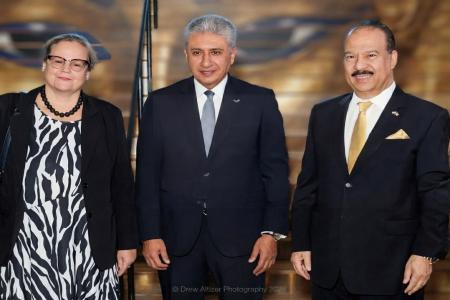
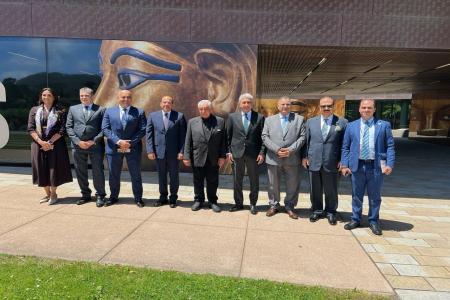
It was a great honor to attend the exhibition's ribbon-cutting ceremony alongside an impressive gathering of cultural, political, and community leaders. I was especially pleased to meet California Lieutenant Governor Eleni Kounalakis and to share in a celebration that reflected the strong cultural ties and lasting friendship between Egypt and the United States. Events like these reaffirm the extraordinary role that culture plays in building bridges of understanding among nations.
Over nearly four decades in the tourism and travel industry, I have come to understand that tourism is much more than an economic sector based on transportation and hospitality. It is a profoundly human mission that fosters dialogue, mutual respect, and appreciation among people from different backgrounds. When we introduce the world to Egypt, we are offering far more than breathtaking monuments. We are sharing the story of a civilization that emerged along the Nile and transformed humanity through its achievements in science, architecture, art, and intellectual thought.
The Treasures of the Pharaohs exhibition in San Francisco once again demonstrates the extraordinary soft power of Egyptian heritage. Every artifact displayed abroad carries with it a piece of Egypt's soul, inviting millions of visitors to discover a history spanning more than five thousand years and to appreciate the timeless legacy of one of the world's foundational civilizations.
Cultural tourism remains one of the most effective means of connecting people across cultures because it goes beyond sightseeing. It allows visitors to experience the values, beliefs, and creative achievements of another civilization. When someone stands before an ancient Egyptian statue or masterpiece, they are not simply admiring stone or gold; they are encountering the dreams, faith, ingenuity, and humanity of the ancient Egyptians, whose belief in beauty and knowledge continues to resonate today.
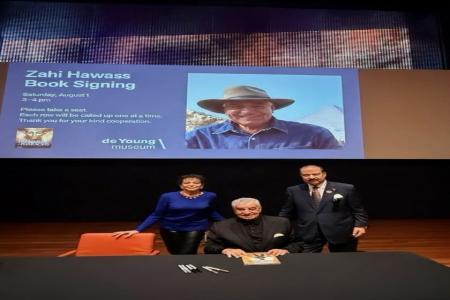
I extend my sincere appreciation to the de Young Museum, Dr. Zahi Hawass, and all the organizers, sponsors, and contributors whose dedication made this remarkable international exhibition possible. Their collaborative efforts demonstrate how cultural partnerships between institutions and nations can strengthen global understanding and celebrate our shared human heritage.
My own experience as a candidate for the United States Congress reinforced my belief in public service, dialogue, and the importance of bringing communities together. Today's world needs bridges more than barriers, and culture and tourism remain among the strongest bridges we can build because they speak directly to our shared humanity beyond politics or economics.
Egypt is not simply a nation with a glorious past. It is a country whose civilization continues to inspire the future. From the timeless pyramids to modern museums, from ancient temples to international exhibitions, Egypt continues to present itself to the world as a beacon of creativity, diversity, and enduring cultural achievement.
As someone devoted to the tourism industry, I believe our responsibility extends far beyond organizing travel experiences. Our mission is to introduce the world to the true Egypt—an Egypt where magnificent history meets vibrant contemporary life and boundless aspirations for the future. Every visitor who travels to Egypt returns home carrying more than photographs; they leave with unforgettable memories, meaningful experiences, and a lasting connection to one of humanity's greatest stories.
From the banks of the Nile to the shores of California, Egyptian civilization continues its remarkable journey across continents and generations. It is a civilization without borders because it has become an enduring part of the shared heritage and collective memory of all humankind.
|